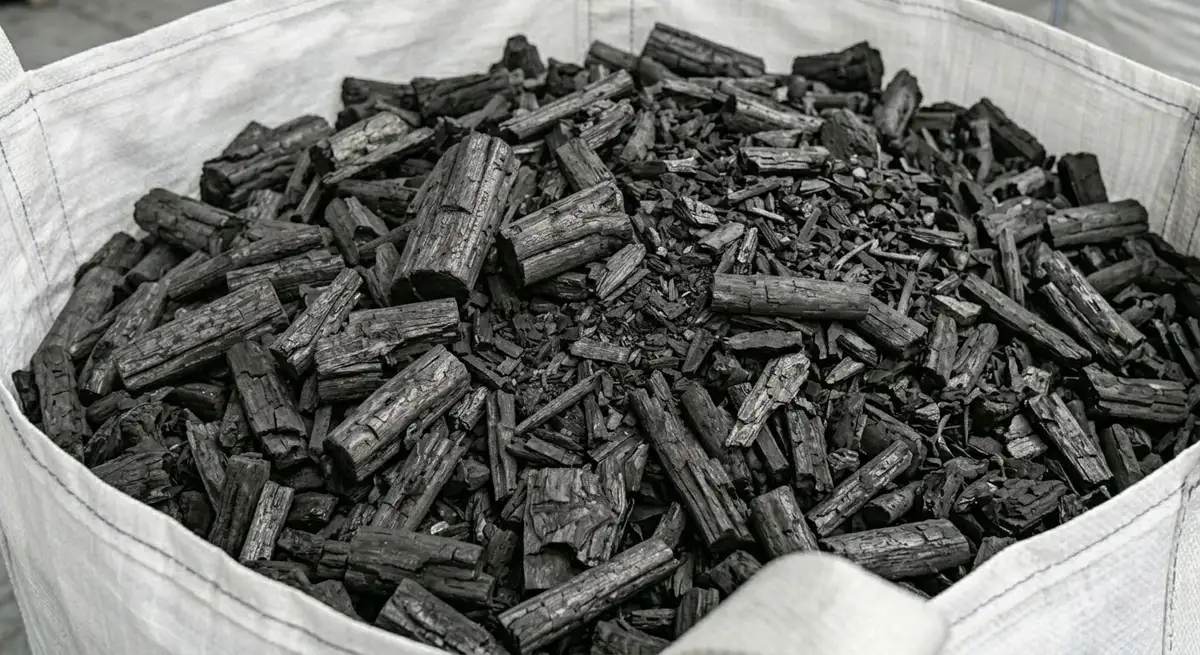
Biochar & Biocarbon Use Cases
Biochar and biocarbon (also sold as bio-coal) are versatile carbon-rich materials with applications across agriculture, heavy industry, construction, and environmental remediation.
Agriculture & Soil Amendment
Biochar enhances soil fertility, increases water retention by up to 180%, reduces fertiliser requirements, improves microbial activity, and boosts climate resilience. Ideal for high-value crops, greenhouses, and degraded soils. Acts as a long-term soil improver.
Biocarbon for Steel Industry
Biocarbon replaces fossil metallurgical coal, coke and anthracite in iron and steel production - in sintering, blast furnace injection, electric arc furnaces and foundries. It is bought on fixed carbon, ash chemistry and sizing, and under the EU ETS and CBAM the fossil CO₂ it avoids has a direct euro value.
Activated Carbon
Activated biochar is used in water purification, air filtration, and industrial processes. Through activation, biochar develops an extremely high surface area, making it effective at adsorbing pollutants, heavy metals, and organic contaminants.
Construction Materials
Biochar is used as an additive in concrete, mortar, insulation, and asphalt. It improves thermal insulation, reduces the weight of building materials, and increases asphalt durability — with studies showing a ~35% increase in complex modulus and up to 75 kg CO₂ reduction per tonne of asphalt.
Mine Reclamation & Soil Remediation
Biochar is highly effective for rehabilitating degraded soils on abandoned mine lands. It immobilises heavy metals, raises soil pH to counteract acid mine drainage, and improves soil structure for revegetation. Compared to traditional methods, biochar can increase vegetation cover by up to 240% and reduce total reclamation costs by 15% or more.
Animal Feed & Livestock Bedding
Feed-grade biochar improves animal digestion, reduces methane emissions, and can replace antibiotic treatment in poultry at just 0.3–1% of feed volume. As a bedding additive, biochar reduces ammonia emissions by up to 44% and absorbs up to 3× its weight in moisture, keeping animals healthier and reducing respiratory issues.